Must-Try Crochet Sweater Pattern For Cool Days
Create your own cozy crochet sweater pattern today and enjoy a fun, easy project that brings warmth, style, and handmade charm to your closet.
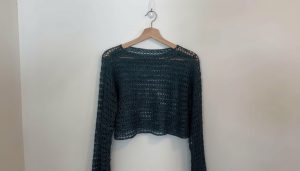
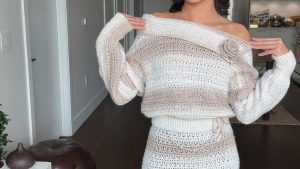
When temperatures drop, having a cozy layer to wear makes all the difference. A crochet sweater pattern provides an easy way to create a garment that is both warm and visually appealing. Crafted with soft yarn and detailed stitches, these sweaters showcase a lovely texture that adds character and charm. The breathable design keeps you comfortable without feeling heavy, making it perfect for everyday wear.
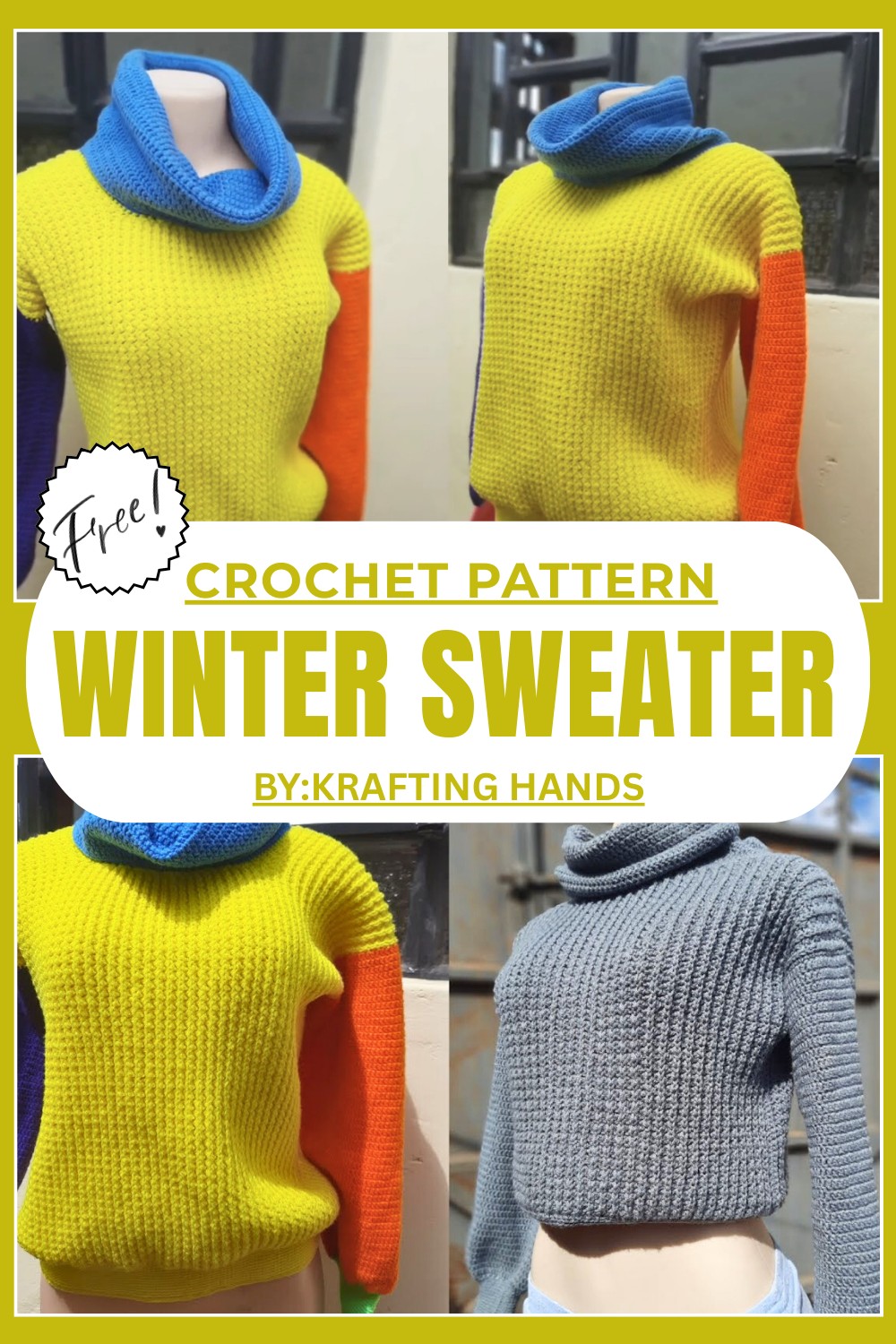
Perfect Crochet Sweater Pattern for Winter Comfort
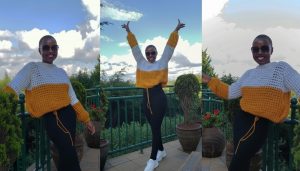
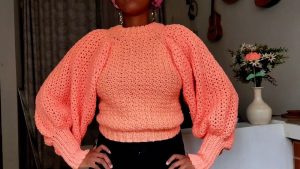
Available in various colors and sizes, this pattern lets you personalize your sweater to suit your style and needs.Whether worn at home, outside, or layered for extra warmth, the crochet sweater is a versatile piece that blends function with beauty.
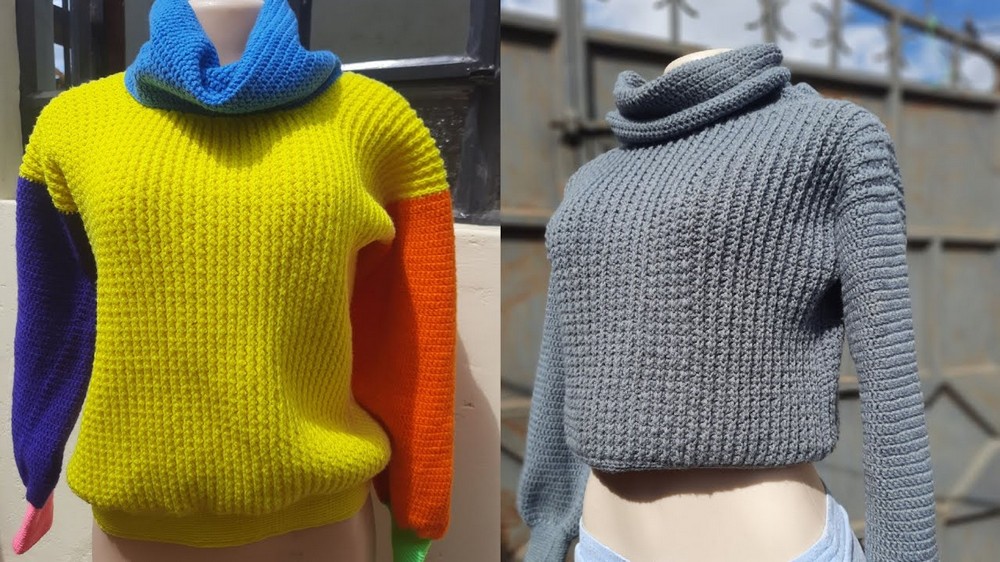
Its handmade look and feel bring a special touch that mass-produced clothing often lacks, making every stitch a part of the sweater’s unique story. This pattern invites anyone to create something both practical and eye-catching with their own hands.
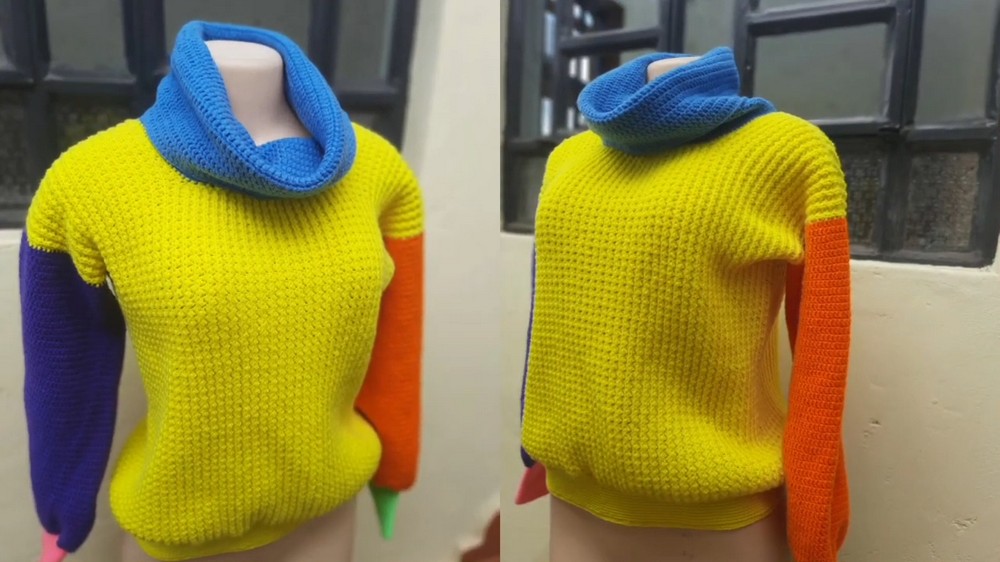
Crochet Cozy Sweater Pattern – Step-by-Step Detailed Instructions
Materials
- 3.5 mm crochet hook (main body)
- 2.5 mm crochet hook (for sleeves)
- 4 mm crochet hook (for cowl neck)
- Thin 4-ply yarn, doubled to create DK weight (or any DK weight yarn)
- Tapestry needle for seaming
- Stitch markers
- Optional: Different color yarn for cuffs
Special Features
- Textured alternating half double crochet and slip stitches
- Shaped neckline using panel divisions
- Seam joining with needle for neater finish
- Tight stitched sleeves for warmth
- Cowl neck worked inside out for drapey effect
- Adjustable sizing based on personal measurements
Difficulty Level
Intermediate — some experience with stitch variation, back loop working, and seaming recommended.
Pattern Steps
1. Preparing Your Base Measurements
- Sweater length: 22 inches
- Bandwidth (cuff width): 2 inches
- Sweater width (bust measurement divided by 2): 18 inches
- Neck depth: 3 inches
- The sweater is divided into 3 panels (each 6 inches wide) for shaping neck and shoulders.
2. Foundation Chain
- Make a slip knot.
- Chain (full length − bandwidth) in inches — for this pattern, chain 115 stitches (an odd number) to achieve 20 inches.
- Use an odd number chain for consistent stitch patterns.
3. Row 1 – Textured Foundation Row
- Work a single crochet (sc) into the 2nd chain from the hook.
- In the next stitch, work a half double crochet (hdc).
- In next stitch, make a slip stitch (sl st).
- Repeat alternating hdc and sl st across the row.
- Finish row with a single crochet on last stitch.
- Chain 1 and turn.
4. Row 2 and Onward – Pattern with Back Loop Texture
- Work in the back loops only (BLO):
- First stitch: half double crochet (hdc, BLO)
- Next stitch: slip stitch (sl st, BLO)
- Alternate hdc, sl st in BLO to end.
- Finish with a single crochet in both loops on last stitch for firmness.
- Chain 1 and turn.
5.
Continue Row 2 until you reach 6 inches width (about 30 rows or 15 bumps counted on the back loops). This completes the first panel (shoulder).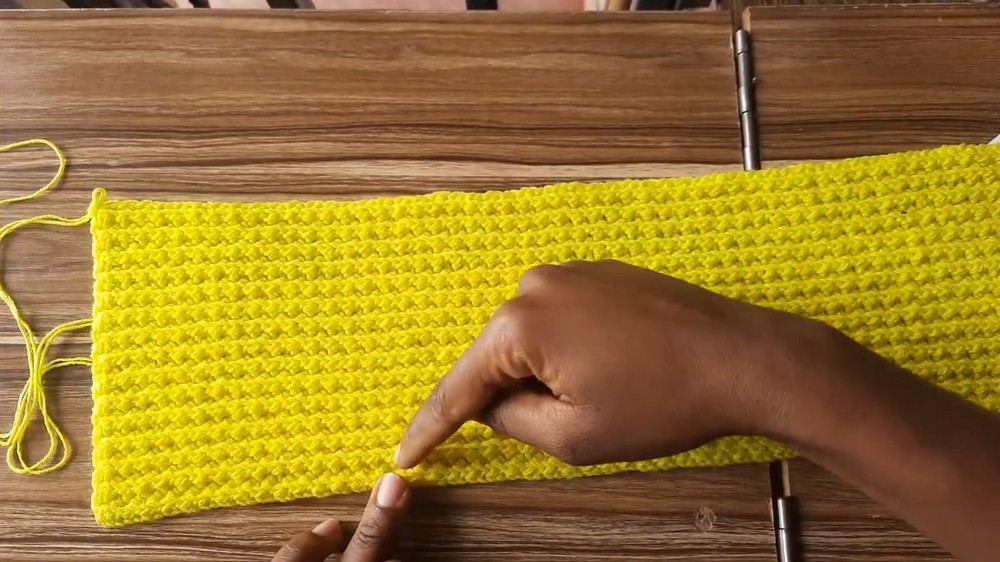
6. Second Panel – Shaping the Neck
- Chain 1 and turn.
- Continue pattern as usual until you work 95 stitches (counting carefully).
- Mark 18 stitches to skip for neck shaping.
- Slip stitch to the 96th stitch and single crochet in both loops.
- Skip remaining stitches by chaining 1, turn work.
- Continue alternating hdc and sl st in back loops only on worked stitches until this panel matches the length of the first panel.
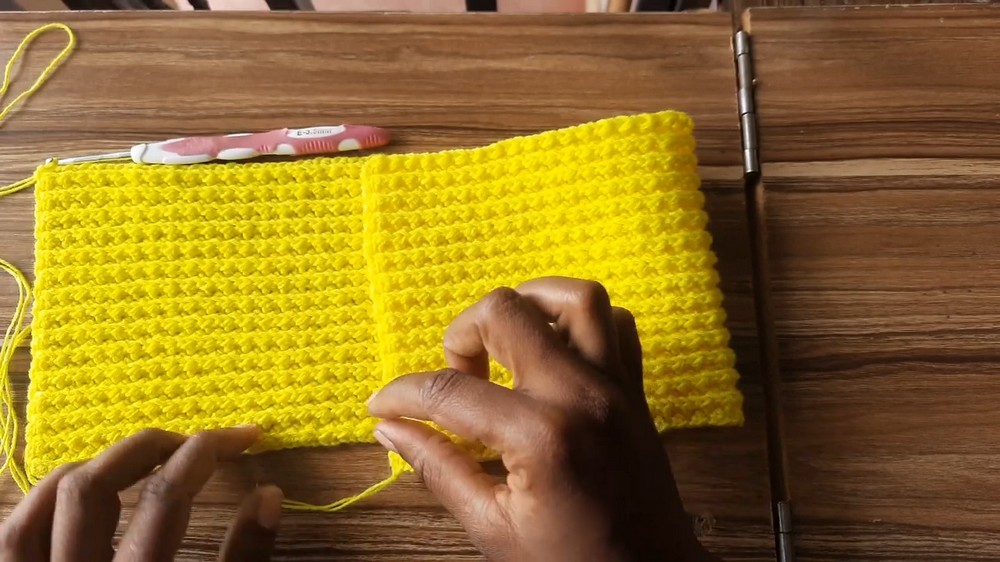
7. Third Panel – Other Shoulder
- Chain 19 (18 skipped stitches + 1 turning chain).
- Work first row similar to others: single crochet, hdc, sl st alternating starting from 2nd chain from hook.
- Follow pattern as before in back loops.
- Continue until panel reaches 6 inches width.
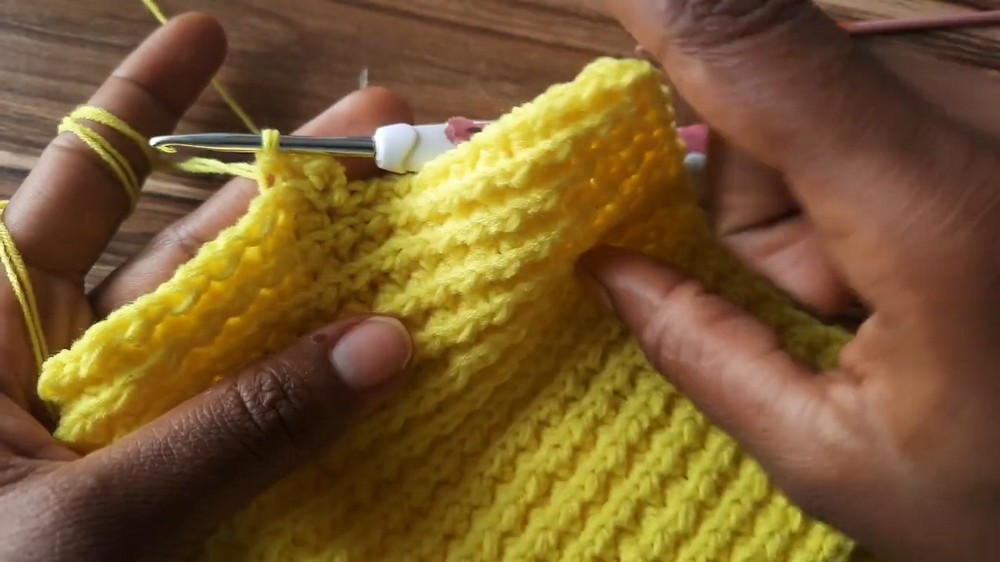
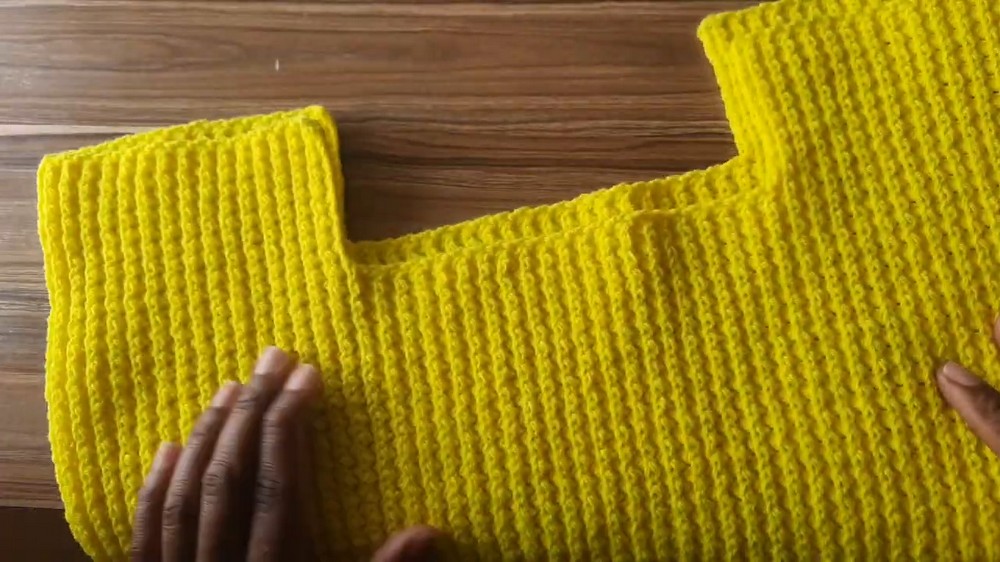
8. Joining Panels
- Place the right sides together.
- Use a tapestry needle to sew shoulder seams with neat mattress or loop stitch to avoid bulky seams.
- Sew side seams leaving an armhole of 7 inches.
- Ensure equal stitch counts on front and back panels for symmetry.
9. Sleeves
- Turn sweater inside out.
- Join yarn at armpit with 2.5 mm hook for tighter stitches.
- Chain 1, then work double crochet (dc) once in same stitch and in every stitch around.
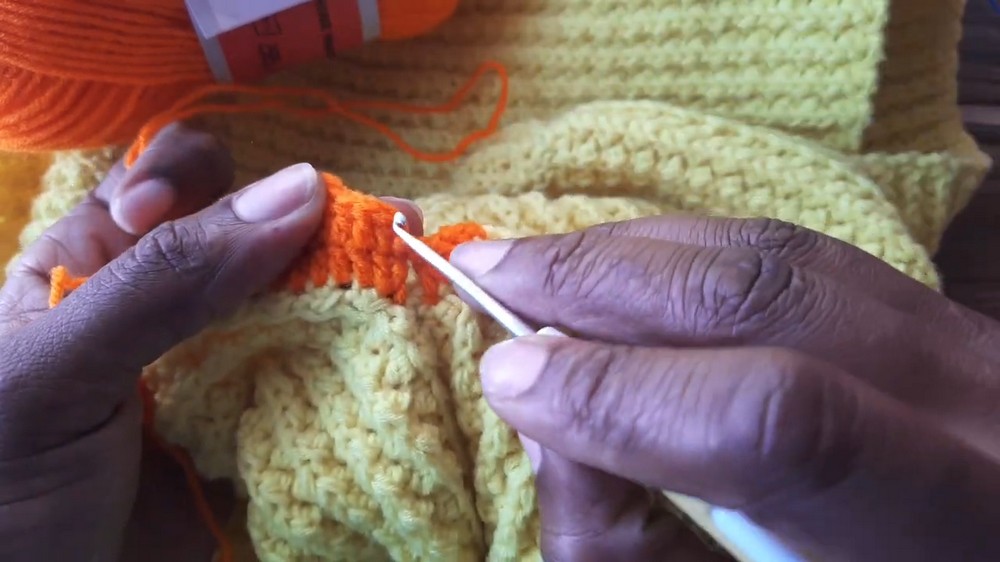
- Adjust stitches to have an even number (usually 82 dc). Join with slip stitch to first dc.
- Chain 1 and continue working rounds of dc until sleeve length covers until just above wrist.
- Join color if changing for cuffs.
10. Cuffs
- Chain 1.
- Work single crochet 2 together (sc2tog) all around to decrease stitches and tighten cuff.
- Optionally alternate sc2tog and sc to adjust width.
- Join with slip stitch, chain 1, and continue working single crochet in back loops only, in continuous spiral for desired cuff length.
- Last row of cuff should be single crochet in both loops for defined edge.
11. Neck (Cowl)
- Switch to 4 mm hook for looser, drapey neck.
- Work single crochet in each stitch around the neck opening, including the panel gap, but in a pattern skipping stitches between bumps to tighten neckline slightly.
- Work some rounds of double crochet on inside (without turning) for drape.
- Slip stitch join and continue until desired length of cowl.
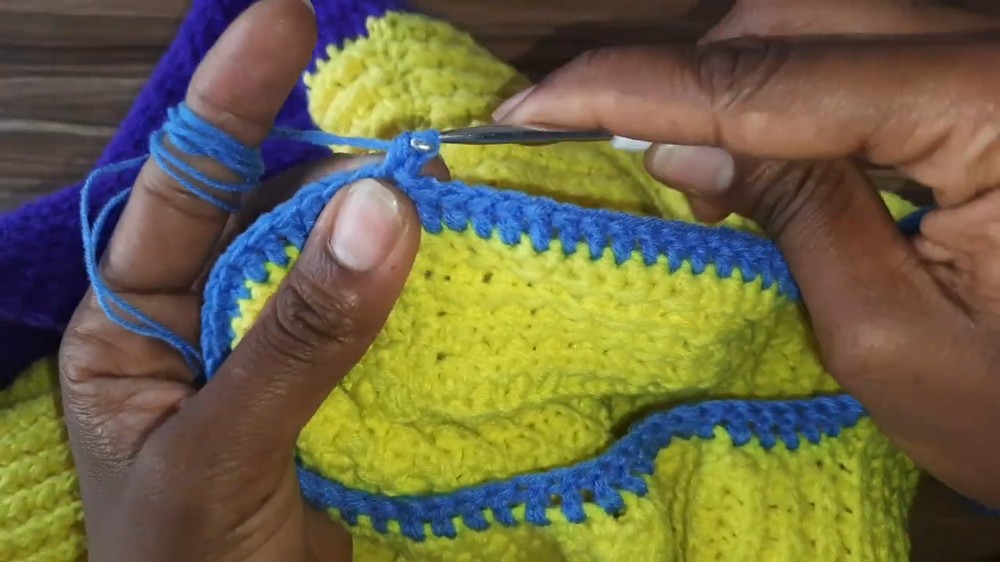
- Fold and adjust so right side is on top.
12. Waist Band
- Join yarn at side seam; chain 1.
- Work single crochet on top of the bumps with two single crochets between bumps.
- Continue single crochet in back loops only in spiral for waist band length desired.
Conclusion
This sweater beautifully balances texture, warmth, and custom fitting through its panel construction and stitch choice. Its simple but effective stitch pattern creates a cozy yet stylish garment. Using different yarn colors on cuffs and waist adds personal touches. Hand sewing seams provides a neat finish perfect for gifting or daily wear.
Tips
- Always measure your panels and rows carefully to ensure sizing matches your body.
- Use stitch markers to mark skipped stitches or armhole openings for easy counting.
- Blocking after completion helps define the textured stitches and evens out the fabric.
- For a softer drape on the neck, choose a yarn with high drapability like bamboo blends or cotton.